Choosing a wearable
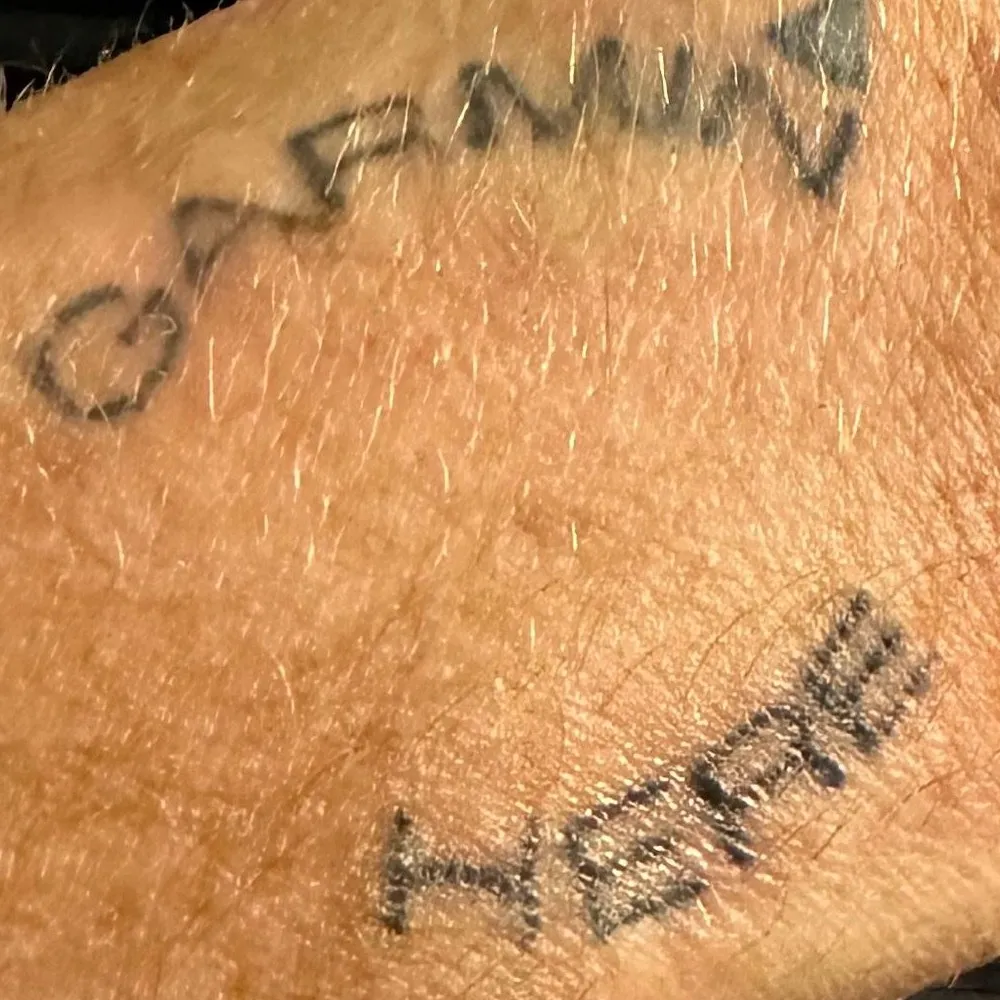
Trevor’s recommendation is simple: every client gets a Garmin watch. A basic app like HRV4Training will do to start, but the more information gathered, the better the program works.
He has taken his own advice about as far as it goes.
Resilience Therapy runs on the numbers your body produces every night: resting heart rate, heart-rate variability (HRV), sleep, and breathing rate. Any of the devices below will capture them. They differ in what else they do, how much attention they need, and what they cost. Prices change often, so each entry links to the maker’s Canadian store rather than quoting a number that will be wrong by spring.
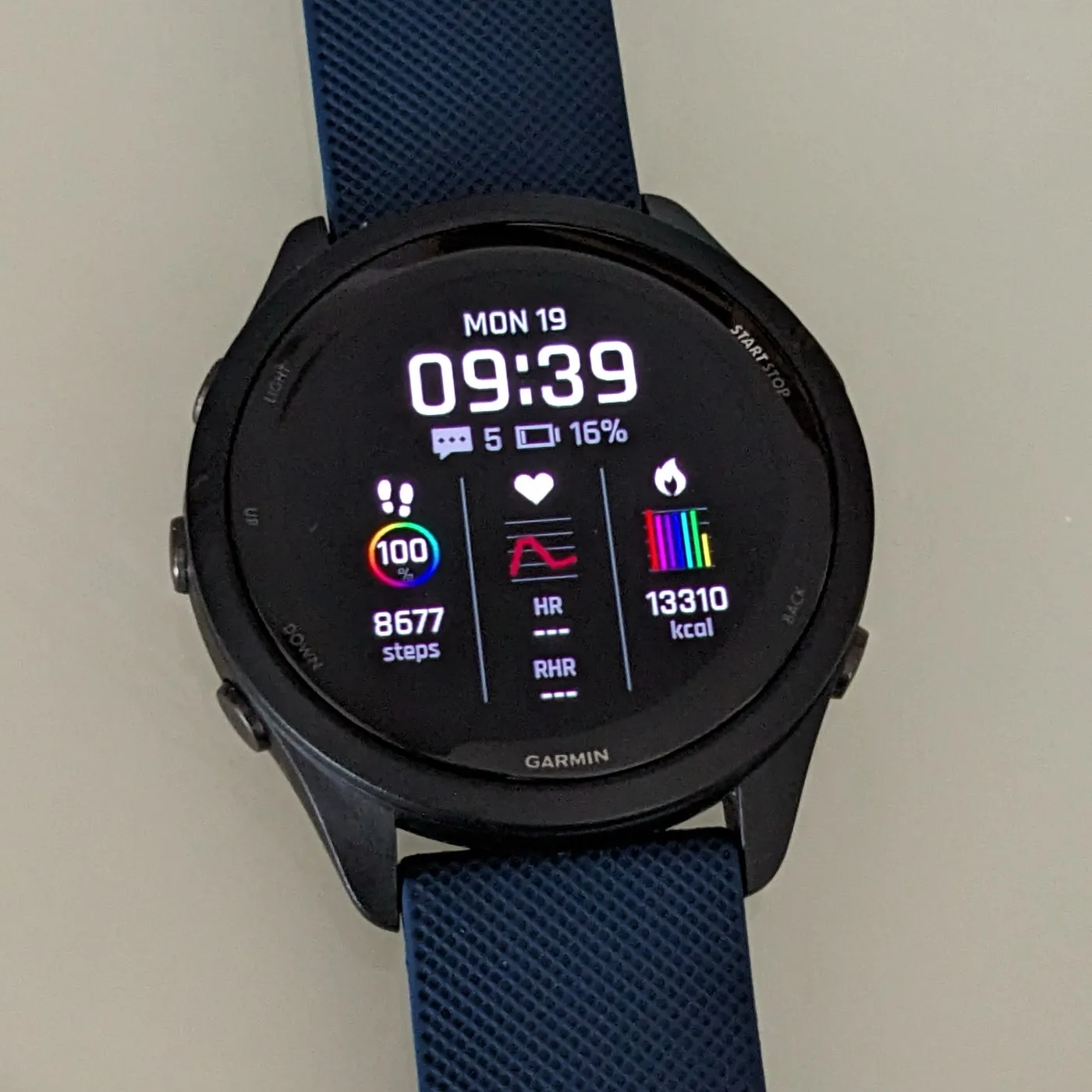
Garmin watches
Garmin running watches — the Forerunner line runs from an entry model to a top-end multisport watch. Buy from Garmin Canada, or from most running stores.
Strengths. The most complete training picture of the four: nightly HRV status against your own baseline, a training-readiness score each morning, GPS for every run, and battery life measured in days or weeks rather than hours. No subscription. If you run, this is the one to get.
Weaknesses. Sleep staging is less refined than a ring. The interface is functional rather than pretty. The lineup is wide and confusing; the mid-range models have everything this program needs.
Oura Ring
Oura Ring 4 — buy from Oura directly. A sizing kit is sent first.
Strengths. The best sleep and recovery data of the four. Nightly HRV, resting heart rate, skin temperature, and breathing rate, taken from the finger where the signal is cleanest. Nothing to look at during the day, and a week of battery.
Weaknesses. The ring is only half the price: full insights need a membership at $5.99 USD a month or $69.99 USD a year. No GPS and no screen, so it tracks the recovery from a run better than the run itself. Pair it with a phone app or a watch for training.
Apple Watch
Apple Watch — Series 12, SE 3, or Ultra 4. Buy from Apple Canada or any electronics retailer. Needs an iPhone.
Strengths. Heart rate, HRV readings, a nightly sleep score, ECG, blood oxygen, and wrist temperature, plus the largest app ecosystem, which includes HRV4Training below. If you already own one, start here.
Weaknesses. Daily charging, which means sleep tracking only works if you build a charging habit around it. The HRV data is there but Apple does not turn it into a training readiness signal the way Garmin and Oura do; a third-party app fills that gap.
HRV4Training app
HRV4Training — App Store, $12.99 one-time, and Google Play.
Strengths. The cheapest way in. It measures HRV with the phone camera in about a minute each morning, no wearable needed, and its analysis of trends is among the best available. It also reads from Apple Watch, Oura, and Bluetooth chest straps, so it works as the analysis layer on top of whatever you already wear.
Weaknesses. The camera reading needs a still minute every morning, and consistency is the whole point, so it suits people who like a routine. Without a wearable it captures a single daily reading rather than a full night.
A scale that measures body composition
Withings Body Scan — buy from Withings Canada.
The Body Scan is the consumer scale with a retractable handle. Hand and foot electrodes together give segmental body composition: fat and muscle for each arm, each leg, and the torso, rather than one whole-body estimate. It also takes a six-lead ECG and a nerve-health reading through the feet. Results sync to the same phone app as the other Withings devices.
One caution that applies to every bioimpedance scale: the body-fat percentage is an estimate that moves with hydration, time of day, and what you ate. Weigh in under the same conditions each time and read the trend, not the number. If the handle is more than you need, the Withings Body Comp does whole-body readings without it for less.
What to pick
- The recommendation for every client: a Garmin. It gathers the most, with the least attention.
- Sleep and recovery are the priority and you do not want a screen: Oura.
- Already have an iPhone and want to start today: Apple Watch plus HRV4Training.
- Want to spend the least: HRV4Training alone, then add a wearable if the habit sticks.
One more thing, for later. We are designing our own HRV app, resilienceHRV. It is in development and has no release date. Nothing on this page depends on it; pick from the options above in the meantime.