Sport-Specific Conditioning
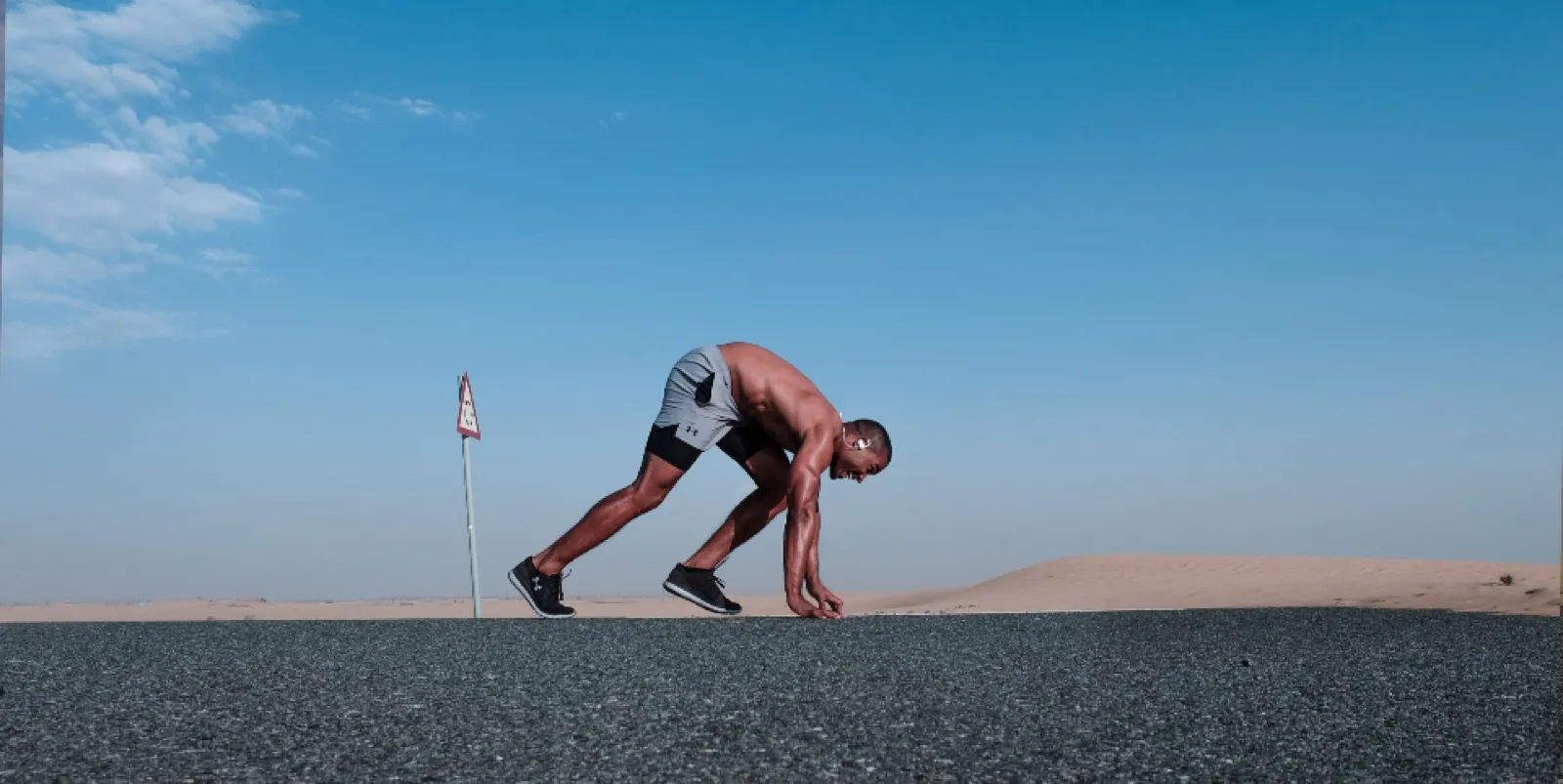
Every sport has its own demands, and generic training misses them. Trevor builds conditioning around the actual movements, energy systems, and injury patterns of your sport — from youth programs to senior mobility work, whether that’s explosive power for combat sports, sustained output for endurance events, or the specific strength and mobility your discipline requires.
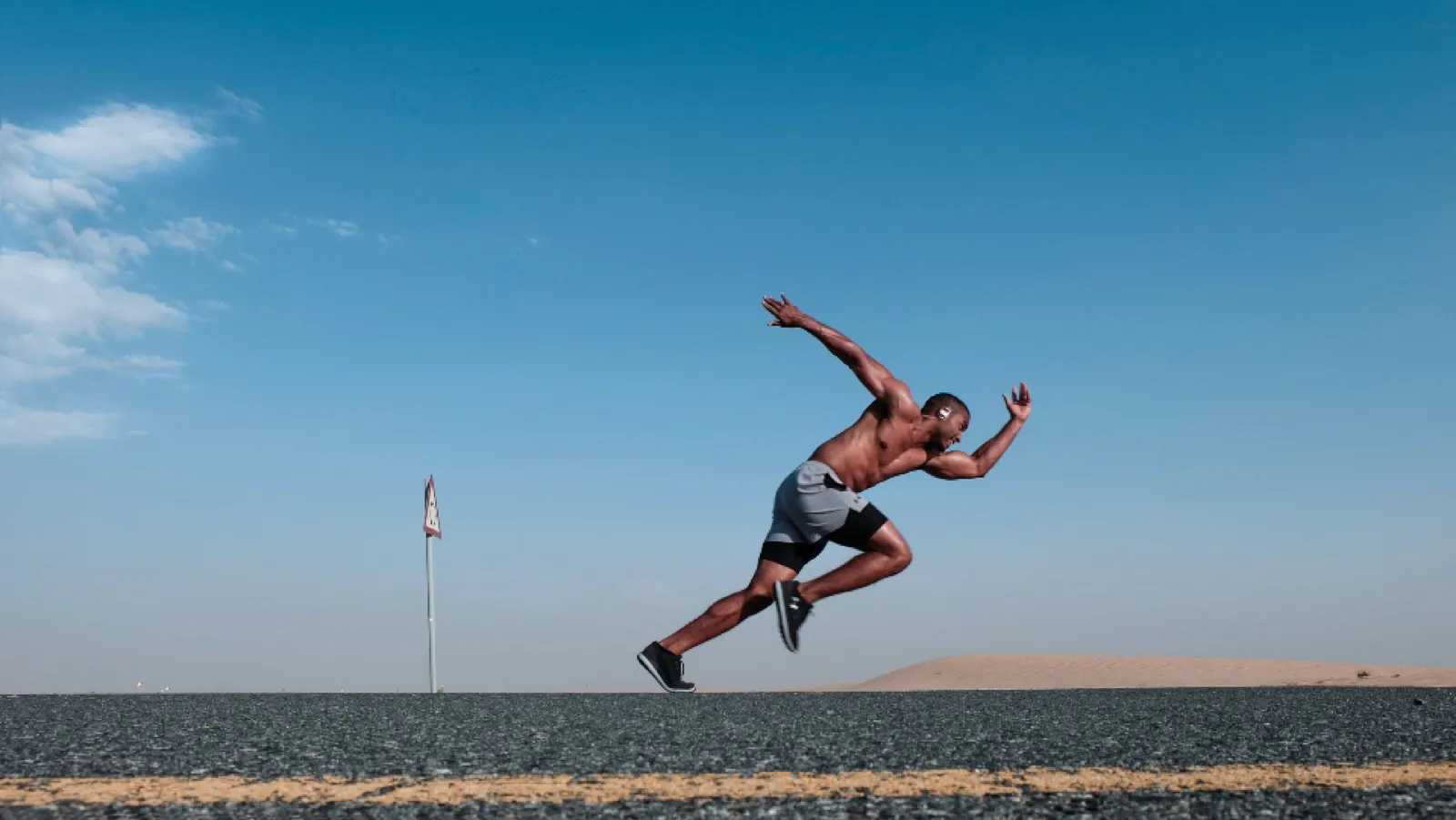
The consultation side is where it gets practical. He looks at your current program, your competition calendar, and your weak points, then maps out what to train, when to peak, and how to recover between sessions. It’s not a template — it’s a plan built around how you actually compete.
The sports
A Certified Strength and Conditioning Specialist is the credential behind the strength coaches on professional and university teams. The same methods scale down to one athlete in a gym. In this part of BC the work is mostly with hockey players, skiers and snowboarders, mountain bikers, trail and road runners, golfers, soccer players, and boxers and mixed martial artists, plus youth athletes starting out and older athletes who want to keep competing without getting hurt.
What the research shows
Each of these is a peer-reviewed study or review on strength and conditioning in one sport. The links go to PubMed, where the abstract is free to read.
- Soccer. Strength, plyometric, and combined training all improved strength, power, and speed in highly trained youth players; combined training did best. Oliver et al., Sports Medicine, 2024.
- Hockey. Eight weeks of combined plyometric and strength training improved on-ice sprint times. Dæhlin et al., International Journal of Sports Physiology and Performance, 2017. Resisted sprint training did the same for youth players’ skating. Dietze-Hermosa et al., Journal of Strength and Conditioning Research, 2024.
- Distance running. Strength training improves running economy in middle- and long-distance runners at the speeds that matter in races. Llanos-Lagos et al., Sports Medicine, 2024; Balsalobre-Fernández et al., Journal of Strength and Conditioning Research, 2016.
- Cycling. Heavy strength training improves the physiological determinants of endurance cycling performance. Llanos-Lagos et al., European Journal of Applied Physiology, 2026.
- Golf. Twelve weeks of progressive resistance training improved fitness and swing performance in talented youth golfers. Shaw et al., Journal of Strength and Conditioning Research, 2024. Eight weeks of strength and power training raised club head speed in collegiate golfers. Oranchuk et al., 2020.
- Basketball. Plyometric jump training improves jump, sprint, and change-of-direction performance. Ramirez-Campillo et al., Journal of Sport and Health Science, 2022.
- Alpine skiing. Elite alpine skiers show distinct trunk-strength characteristics, which is why core and trunk work is central to ski conditioning. Hildebrandt et al., Journal of Human Kinetics, 2017.
- Mixed martial arts. A review of the physical demands of MMA and what conditioning has to cover. Kirk et al., Journal of Sports Sciences, 2020.
- Youth athletes. Neuromuscular training programs reduce injuries in youth sport. Emery et al., British Journal of Sports Medicine, 2015.