Gut, forest, and the vagus nerve
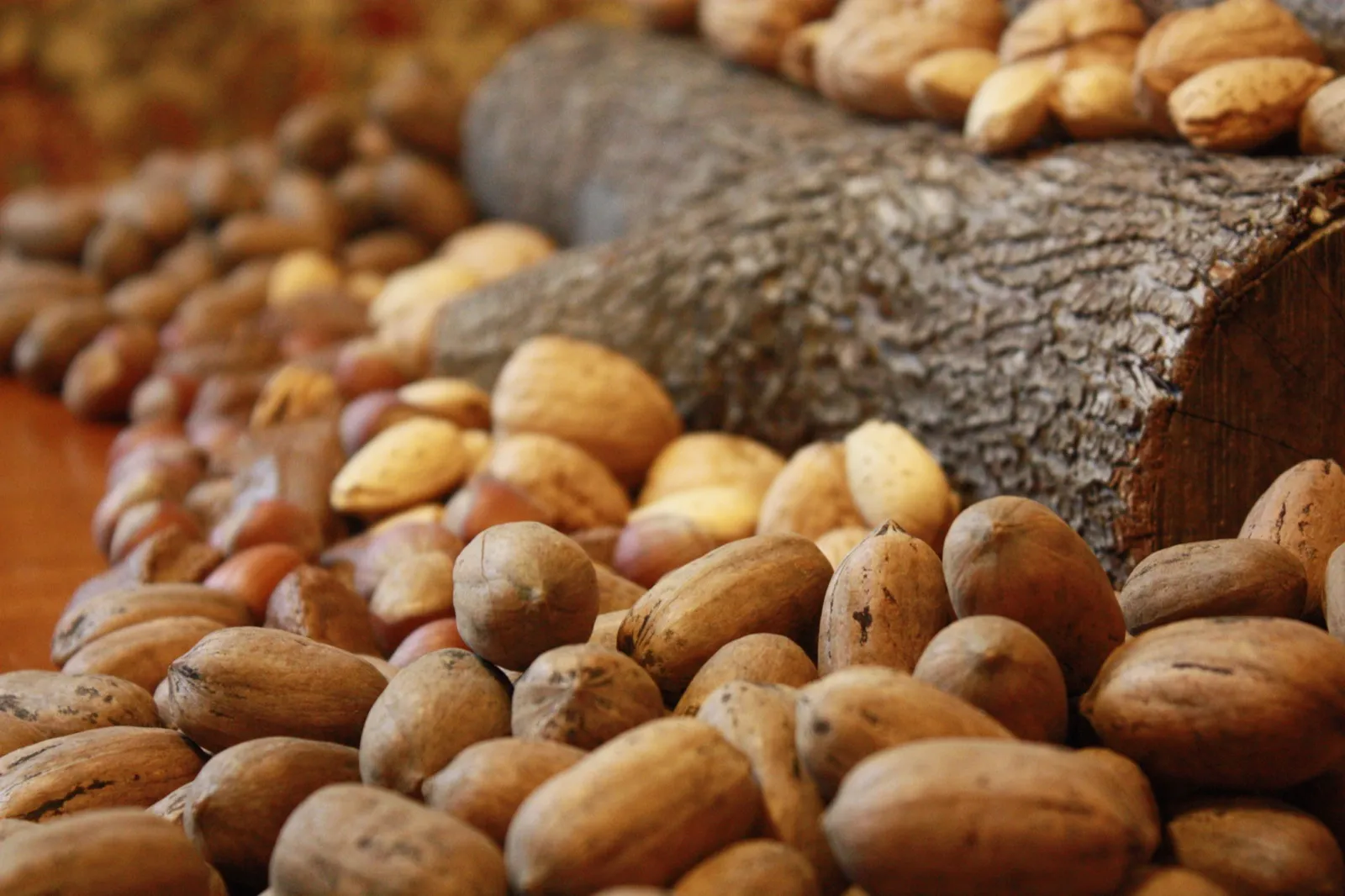
Germ theory trained us to treat bacteria and molds as enemies — to scrub, sterilize, and seal ourselves off from them. But the body was never a closed, sanitary unit. A 2025 analysis in Frontiers in Microbiology of nearly fourteen thousand tissue samples found tissue-specific microbial signatures in eleven of twenty-eight organs, including the heart, liver, and muscle — low-biomass communities that survive contamination checks and challenge the old dogma of sterile internal organs (Frontiers in Microbiology, 2025). A 2025 review in Nature Reviews Microbiology frames fungi as an understudied but critical part of the human mycobiome, living across the gut, skin, lungs, and reproductive tract, shaping immunity and disease risk (Nature Reviews Microbiology, 2025). And a 2025 multi-compartment study found distinct fungal communities — including Malassezia, Penicillium, and Alternaria — inside brain tumor tissue itself, separate from the gut and blood (International Journal of Molecular Sciences, 2025). We are not apart from nature. We are part of it — millions of microbes, molds, and mildews growing with us, on us, and inside us.

Different forests carry different molds and beneficial bacteria, and those differences matter for the immune system. A 2025 randomized study comparing two forest types found short-term exposure modulated innate and adaptive immunity differently than an urban environment — shifting T-cell populations and antigen-presenting cells in ways the city did not (EFUF, 2025). A 2025 study in Allergy, Asthma & Immunology Research showed urban forests carry a richer fungal microbiome than city centers, and that diversity was linked to fewer asthma episodes and weaker allergic inflammation (Allergy Asthma Immunol Res, 2025). A 2024 meta-analysis on phytoncides found they significantly boost natural killer cell activation — the cells that recognize and destroy tumor cells — with a large effect size (ScienceDirect, 2024). And a 2026 study in Gut Microbes showed soil-derived microbiota induce regulatory T cells and protect against colitis, metabolic disease, and sepsis, extending health span (Gut Microbes, 2026).
Here’s where it comes full circle. The gut microbiome communicates directly with the vagus nerve — the longest nerve in the human body, and the primary highway of parasympathetic control. What you eat shapes that microbial community, which signals the vagus, which dials the autonomic balance that governs heart rate, blood pressure, and recovery. A 2026 review in Current Microbiology mapped the gut-brain-cardiac axis and found the vagus nerve is one of the key pathways linking microbial balance to cardiovascular outcomes like hypertension and atherosclerosis (Kumar et al., 2026). A 2025 review in Clinical Science showed short-chain fatty acids from gut bacteria activate vagal afferents to regulate blood pressure and counter sympathetic overdrive (Clin Sci, 2025). A 2026 study in the International Journal of Eating Disorders found depletion of specific gut bacteria strongly correlated with reduced cardiac vagal tone — measured by heart-rate variability — a link absent in matched controls (Liang et al., 2026). And a 2025 review in International Journal of Molecular Sciences traced how microbial metabolites like TMAO push the autonomic system toward sympathetic dominance and accelerate heart failure (Calvillo et al., 2025).

The research backs that instinct. A 2024 systematic review in Environment International found greenspace exposure diversifies gut and skin microbiota, raising beneficial probiotic taxa like Ruminococcaceae while lowering pathogens (Environment International, 2024). A 2025 pilot study in Environmental Research showed forest exposure enriched nasal bacteria linked to well-being — including Bifidobacterium and Akkermansia — changes the urban group didn’t see (Lashus et al., 2025). And a 2024 mouse study found forest-soil exposure increased gut microbial diversity and short-chain fatty acid producers compared to barren soil (Zhou et al., 2024).

On the food side, the benefits of whole, unprocessed foods are clear. A 2025 randomized crossover trial in Nature Medicine found that people eating minimally processed diets lost twice as much weight and more than twice as much body fat as those on nutritionally matched ultra-processed diets — even when both followed the same guidelines (Dicken et al., 2025). A 2026 analysis in The American Journal of Clinical Nutrition showed people on unprocessed diets ate over fifty percent more food by weight yet still consumed about three hundred thirty fewer calories a day, while taking in thirty-six percent more micronutrients (Brunstrom et al., 2026). A 2024 analysis in the British Journal of Nutrition found minimally processed foods carry roughly eleven times the antioxidant content of ultra-processed foods, which helps explain their protective effect against chronic inflammation (British Journal of Nutrition, 2024). And a 2026 prospective cohort study found that healthful plant-based diets low in ultra-processed foods were linked to lower all-cause mortality, type 2 diabetes, and cardiovascular disease risk, with the strongest benefits coming from the least-processed versions (ScienceDirect, 2026).
The testing layer makes all of this measurable. Microbiome analysis uses research-grade 16S rRNA gene sequencing — a stool sample shipped to an academic core lab, which identifies bacterial species and proportions at a level that holds up under peer review. Blood work runs through Function Health — roughly three hundred sixty-five dollars a year, over a hundred biomarkers, two draws annually, with results pulled into the same dashboard as the wearable data. Both streams feed the same dataset: one row per client per timepoint, exportable to CSV or R for statistical analysis.