Nutritional Consultation
Ultramarathon running strips everything out of you — and that’s exactly what makes you pay attention. When you’re depleted on the course, you learn fast what your body actually needs: the vitamins and minerals, the micro and macronutrients, the fuel that keeps you moving versus the stuff that leaves you empty. When you’re running from a grizzly bear down Crowfoot Mountain, you learn very quickly what your body actually needs — because there’s no time to read the label, and you better not end up with leg cramps due to low sodium. You better be packing salt pills or you’re dead meat.

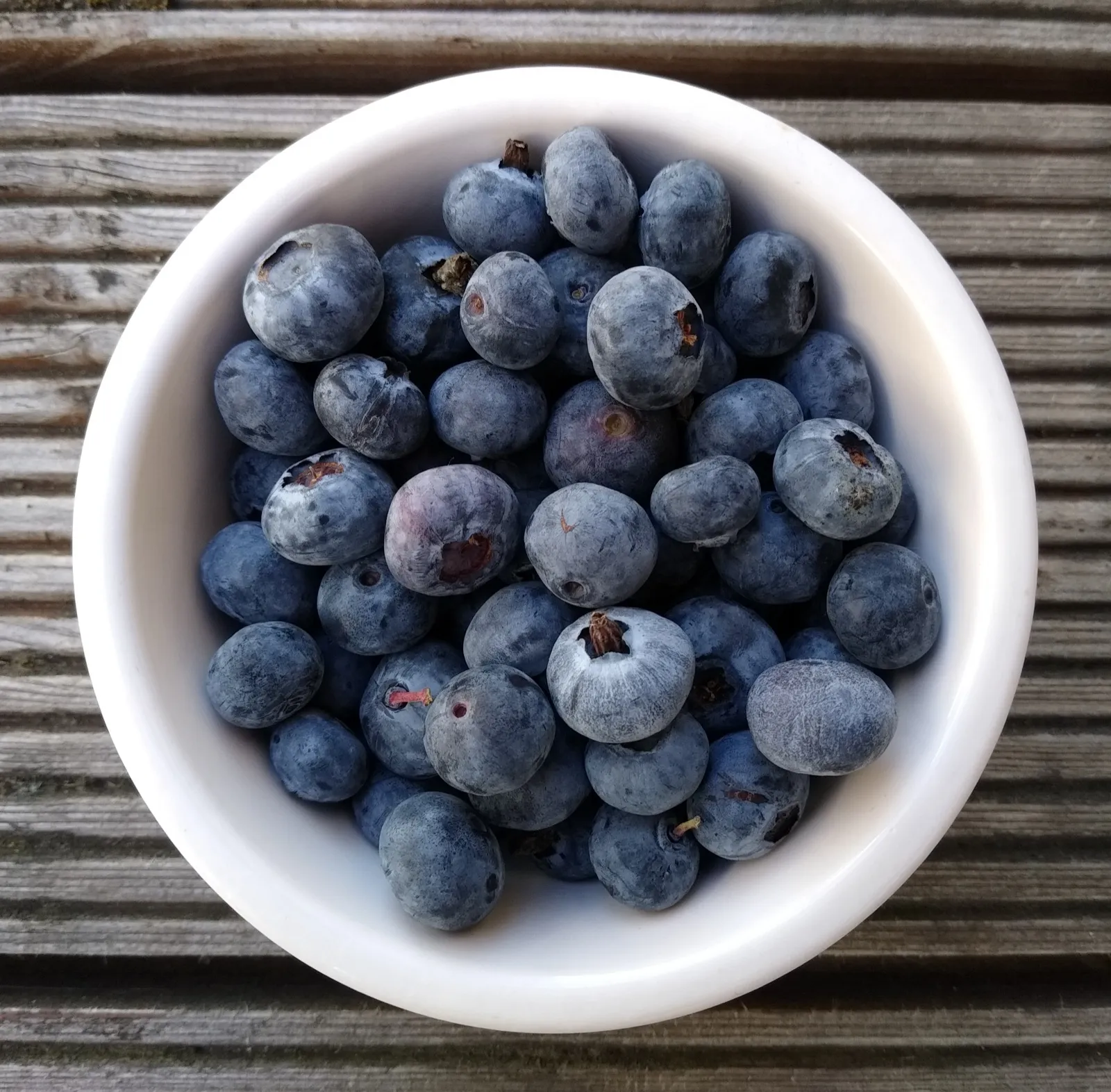
Trevor has tried most diets — low-carb, carnivore, vegetarian — gone down the protein bar and protein powder hole, explored peptides and PEDs, chased sweeteners and aspartame, pre-workouts, over-stimming, and delinquent caffeine consumption. What he found through all of it: the body does best at balance, homeostasis, naturally. The body does well on whole foods, unprocessed foods — not specifically chasing macronutrients, but focusing on food quality in conjunction with a balanced diet, calorie deficits during cutting phases, and slight calorie surpluses during light bulking strength training phases.
PEDs, peptides and your nervous system
For every PED and peptide there is a trade-off. There can be short-term benefits when used correctly and briefly, but there is wear and tear on your nervous system. Pretty much everything and anything you add to your body affects your central nervous system, and it shows up in your health stats, particularly heart rate variability (HRV).
The research bears that out. A 2013 study of recreational lifters in the Scandinavian Journal of Medicine & Science in Sports found that those using anabolic steroids had lower HRV at rest than those who did not, and recovered less of it after exercise (Maior et al., 2013). A 2021 study comparing forty steroid-using strength athletes with forty who did not use found weaker baroreflex control and a shift toward sympathetic, fight-or-flight activity in the users, and changes in how their hearts relaxed that tracked with their years of use (Kouidi et al., 2021).
Peptides are no different. The GLP-1 drugs are peptides. In a randomized, placebo-controlled trial, liraglutide raised average heart rate by eight beats a minute and lowered HRV (Kumarathurai et al., Diabetes Care, 2017). A 2025 study of sixty-six people tracked on a wearable saw the same thing in daily life: in the first twelve weeks on a GLP-1 drug, resting heart rate rose about three beats a minute, driven by a drop in HRV (Grosicki et al., 2025). Bremelanotide, a peptide that acts on receptors in the brain, caused nausea in about forty percent of users in its year-long trial, flushing in about twenty, and headache in about twelve (Simon et al., Obstetrics & Gynecology, 2019).
Many popular peptides have far less behind them. BPC-157 has little human safety data, and in 2023 the U.S. Food and Drug Administration listed it among substances that may present significant safety risks. In Canada, peptides are generally regulated as prescription drugs. Health Canada warns that unauthorized ones have not been assessed for safety, efficacy or quality, and lists possible harms including hormonal imbalance, mood swings, liver or kidney damage, and blood clots (Health Canada, 2026).
It is not only drugs. In a study of 4,098 Finnish employees wearing heart rate monitors, alcohol reduced overnight recovery measured from HRV in a dose-dependent way. Even a low dose cut it by about nine percentage points, and heavy drinking by nearly forty (Pietilä et al., 2018). Whatever you add, your HRV will show what it cost.
For a starting point in the kitchen, see Whole-food recipes and where to find more.
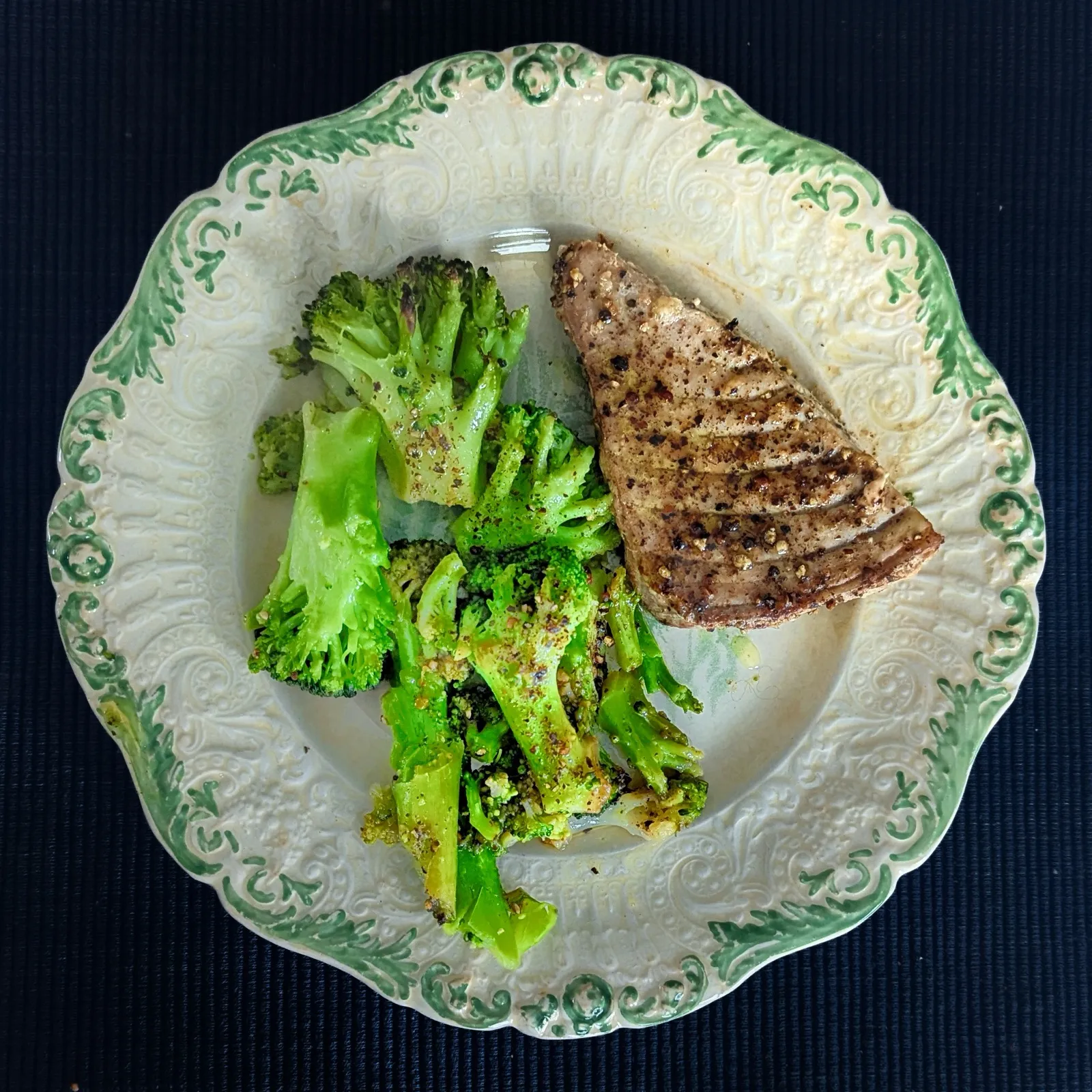
Recovery matters as much as the training itself, and so do nature-based interventions and real human connection. Did you know that the probiotic balance of your stomach is largely a product of sunshine and forest dust? Merely inhaling the dust in forests and other areas enriches your microbiome, making you more efficient at processing the high-quality foods you eat.
Although not a nutritionist, Trevor can give you insight and help analyze possible deficiencies in your diet and your lifestyle — outside of the gym. Available in-person and online.
Nutrition, gut biome, the vagus nerve, parasympathetic control, and cardiovascular health aren’t separate systems — they’re one loop, and you can watch it turn in real time. What you eat shapes the microbes that signal the vagus, which sets the autonomic tone your wearables read as HRV, resting heart rate, and sleep quality. Analyze that data and the whole chain becomes visible: fuel, microbiome, nervous system, heart, all measurable through the devices you already carry.