Rocky Mountain Resilience RetreatsComing soon
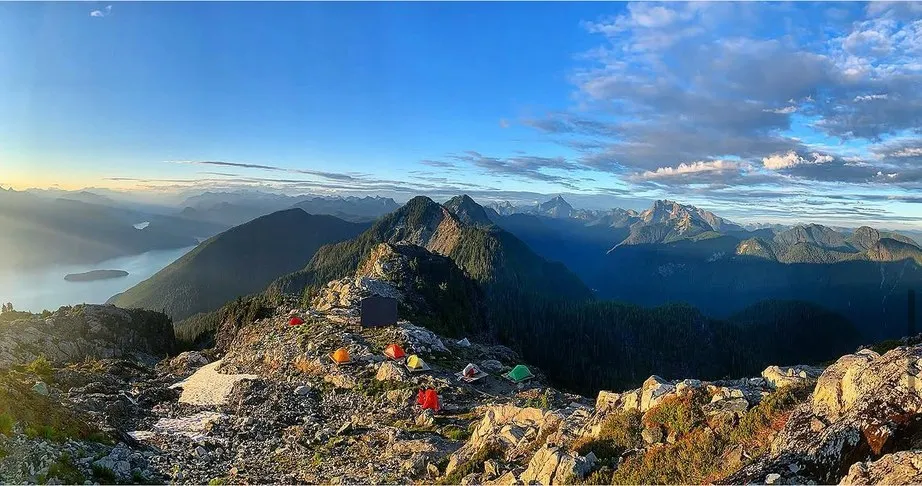
Three nights in the mountains, immersive and deliberately short. Guests train, eat, and recover together, with the full Resilience Therapy toolkit built into the schedule: guided trail runs, yoga chosen for what it does to the nervous system, nutrition coaching, and one full physiological test for every guest.
At a glance
Three nights, in the shoulder seasons. Groups of eight — small enough that the trail leaders know how everyone is running by the second day, and small enough for every meal to be cooked for the table.
Three locations, Revelstoke, Banff and Golden, and you pick the one you want. Each is in the column beside this page, or below it on a phone, with its price, its base and its three run distances.
Booking is a fifty percent deposit, with the balance due sixty days before arrival.
What’s included
Food — nine meals. Three breakfasts, three lunches and three dinners, catered on site by a five-star chef who is also a nutritionist. Cooked in the lodge kitchen, for the group, around the training — not trays delivered from town.
Two guided trail runs, at the three distances listed for your location in the Locations column.
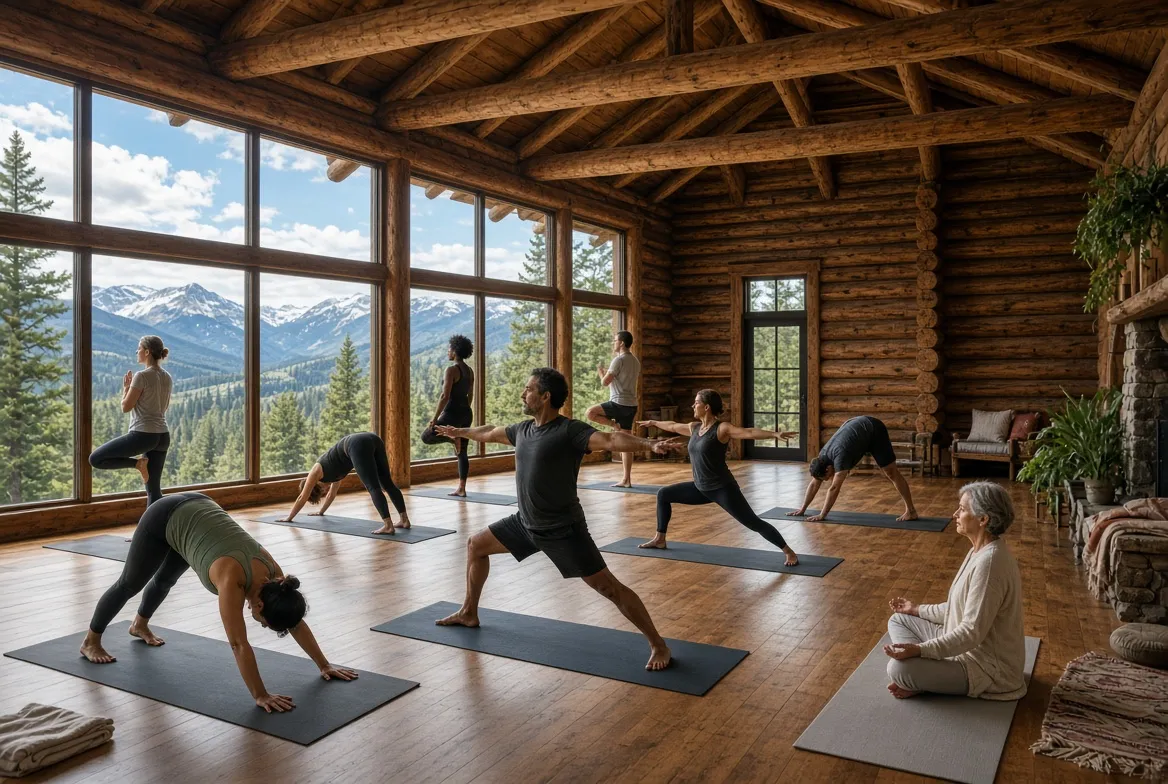
Yoga every morning, and parasympathetic work every afternoon. Not yoga as a stretch class — the breathing and the positions are chosen for what they do to the nervous system. The morning session opens up what the trail is about to ask for; the afternoon session is downregulation after it, and those are techniques you keep using at home long after the retreat ends.
The full testing package from the van — an hour in the van for each client: body composition on the InBody 270, haemoglobin, and a full treadmill test measuring VO2 max and lactate threshold together. Priced separately at BC clinics that is around seven hundred dollars of testing.
Two specialists with you the whole time, beyond Trevor: a yoga instructor who is also a trail guide, and a second trail guide who is a trail running specialist. With eight guests split across three distances, that is what it takes for nobody to run alone.
The teaching, which is the part that separates this from a running holiday:
- An introduction to Resilience Therapy and how it works.
- A session on resilience itself.
- Why HRV matters, and what your own numbers are telling you.
What you take home — every health statistic collected on you, a recipe book, a book about the Triple Crown, and a rizunresilience.ca shirt or hoodie, your choice.
How the three days run
Day one — arrive and settle in. No testing yet. Introduction to Resilience Therapy in the evening, so you know what the rest is for. Dinner together.
Days two and three run the same shape:
- Breakfast.
- Yoga, first thing, to open up what the trail is about to ask for.
- The trail run, in your distance group.
- Parasympathetic work afterwards — the breathing and downregulation that turns a hard morning into recovery instead of accumulated fatigue. These are techniques you keep using at home.
- Dinner, and the evening session: HRV and what your own overnight numbers are saying on day two, resilience itself on day three.
Day four — results, then home. Breakfast, then your results walked through with you before you leave, and they go home written down.
Where your hour in the van fits
One test per person. Body composition, haemoglobin and the full treadmill test — VO2 max and lactate threshold together, gas exchange measured throughout with a finger-prick sample at every stage — in one hour in the van, per client. Not at the start and not at the end: there is one treadmill, so testing runs over a couple of days in the middle of the stay rather than happening to everybody at once. It uses the three run distances to do it.
You take the long run one day and the short run the other, and your hour in the van happens on your short day. The groups come back at different times anyway, which staggers the van naturally: the 7 km group is showered and ready while the long group is still out.
That is also the right way round physiologically. VO2 max does not change in three days. Testing it twice would measure how tired the retreat made you, not how fit it made you. Once, done properly, is better science than a retest for the sake of symmetry.
Who it’s for
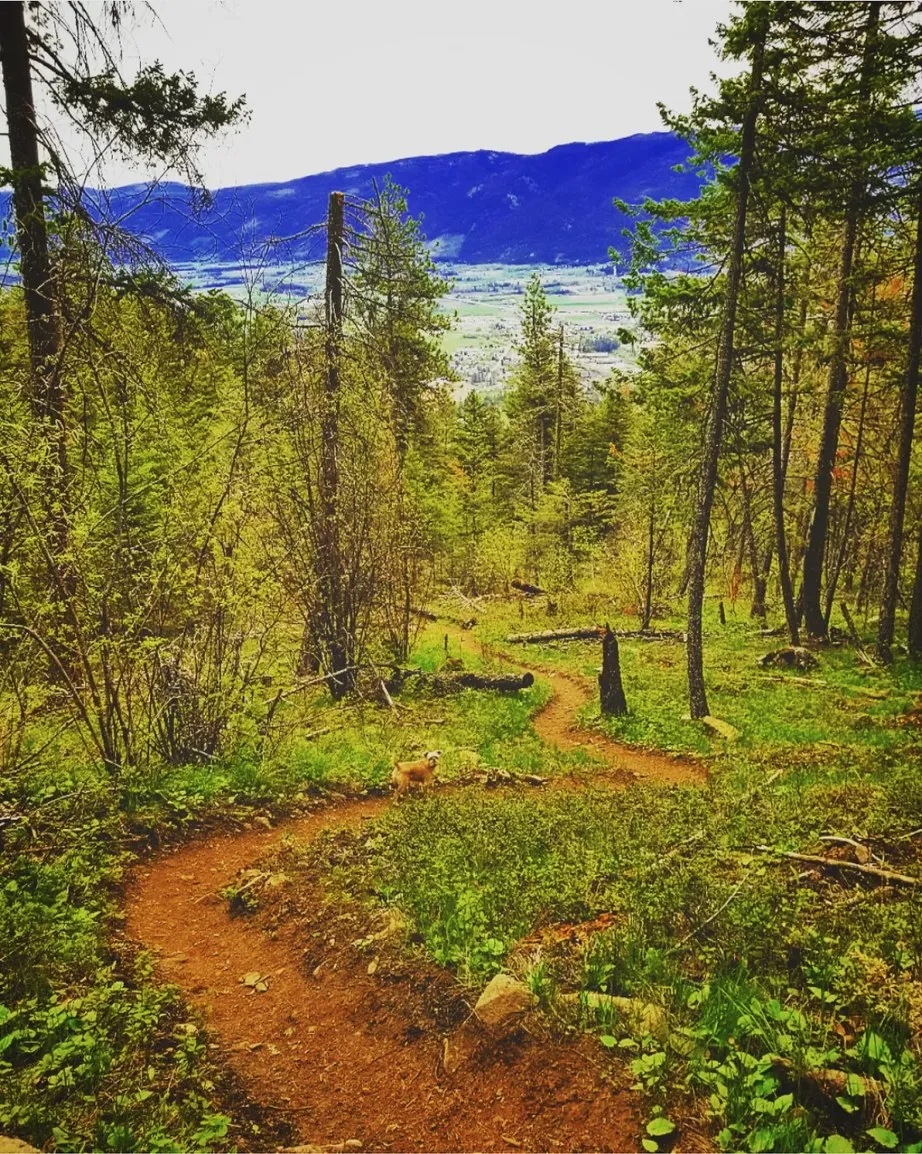
You do not need to be fast, and you do not need to have raced. The runs split into a short, a middle and a long group — roughly 7, 12 and 20 kilometres depending on the location — so nobody is dragged round something they did not want, and nobody is held back either. If you can run 7 km on a trail without dreading it, there is a group for you.
What it does ask for is willingness. Days are spent outside and on your feet. Phones go quiet. You will be asked for a blood sample on the first day and again at the end, you will wear something on your wrist the whole time, and you will answer the same questionnaires you would answer in a clinic. The measuring is the point, and people who find that intrusive rather than interesting tend not to enjoy it.
Testing on the mountain

The mobile lab drives to the retreat. It is a Hino 155 box truck fitted out for testing, and it means the numbers get taken where the training happens rather than in a clinic three weeks later.
On site, guests can have:
- VO2 max testing
- Body composition on the InBody 270
- Lactate threshold blood testing
- Haemoglobin testing
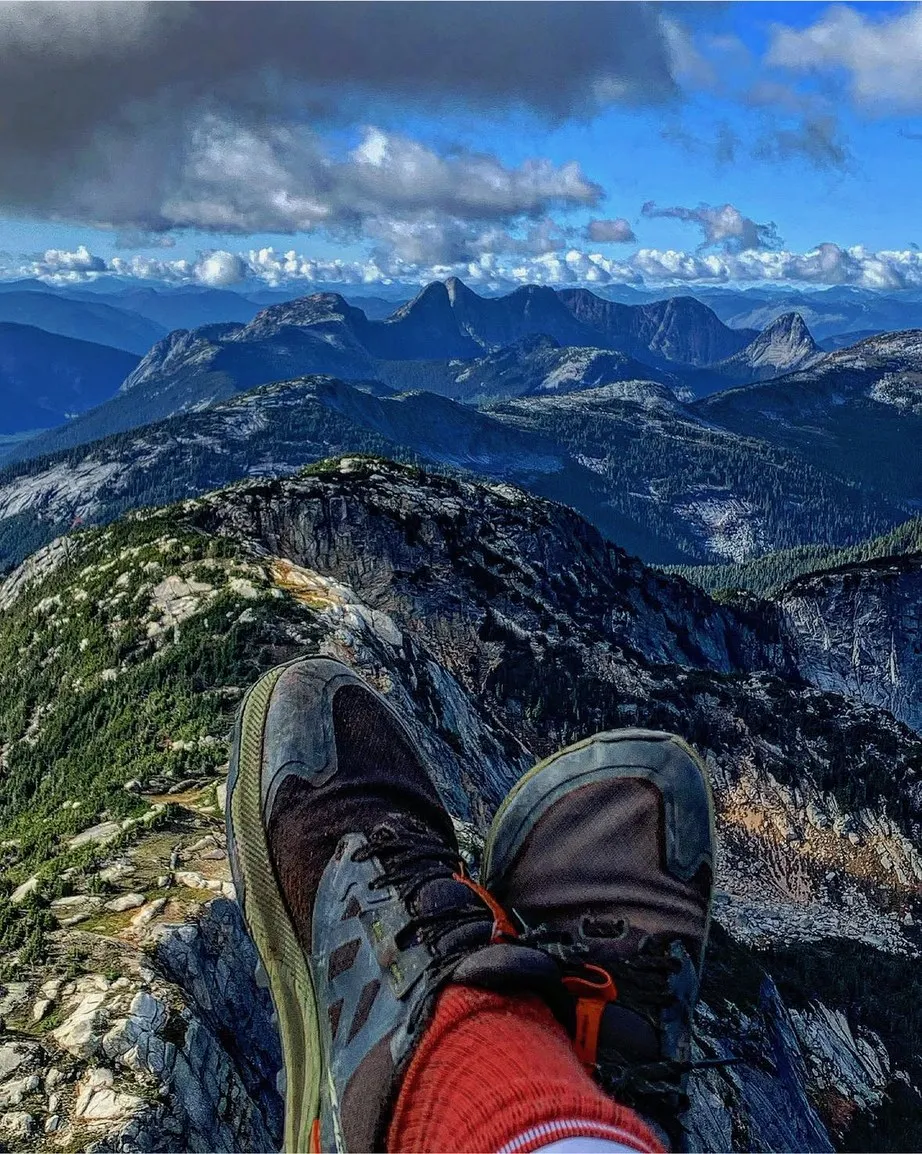
Testing at the retreat is worth more than testing at home, because the mountain is doing something to the body while you are on it. Altitude, long days on foot, mountain sleep and real food all move the same markers the mobile lab measures.
The results go into the same picture as the wearable data — HRV, resting heart rate, sleep — so what you take home is a set of measurements, not an impression of a good few days.
The van is not on the road yet. On-site testing is planned, not running.
The team
Meet our trail leaders. They bring extensive knowledge of trail running and the terrain, guiding every session with the experience to match the altitude.
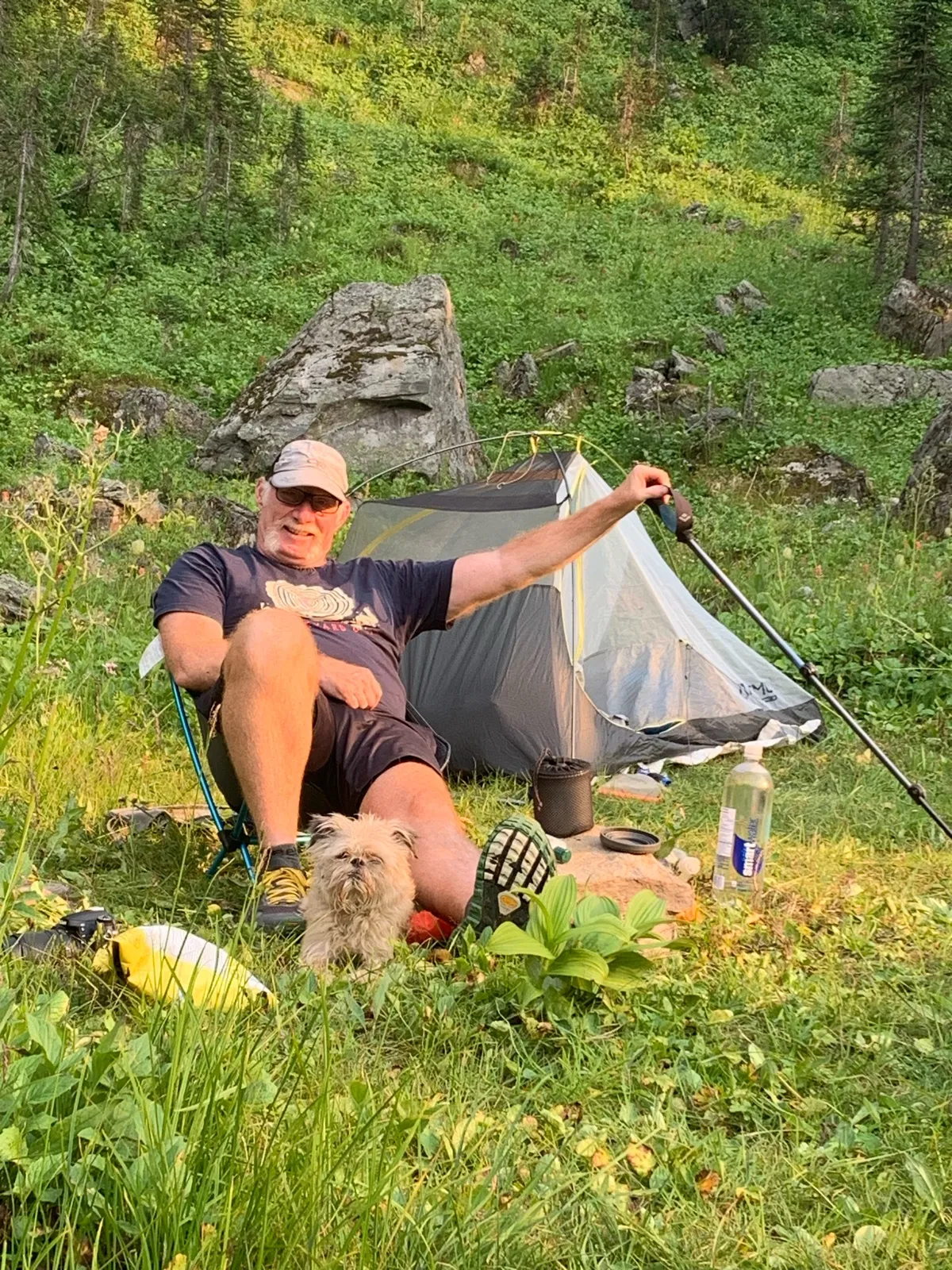
Chris Hewko — trail leader. Chris has run hundreds of ultra marathons, including 100-mile races. He wrote the Triple Crown book that guests take home, having fastpacked or hiked the Big Three: the Appalachian Trail, the Pacific Crest Trail, and the Continental Divide Trail. Away from the trail he is a nurse, with a Bachelor of Nursing, at the hospital in Vernon.
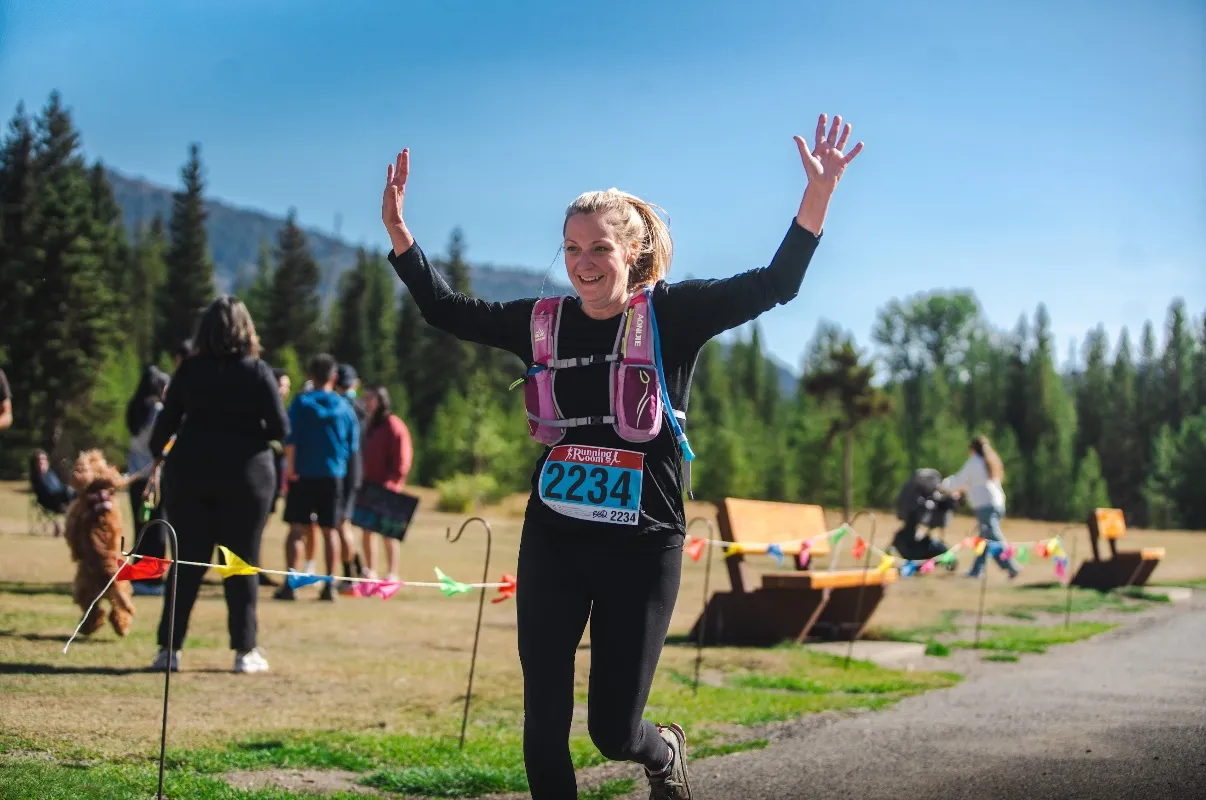
Tamra Sutherland — yoga instructor and trail leader. Tamra leads the yoga and takes groups out on the trail. She is a trail runner herself. Away from the retreat she is a laboratory technician at the hospital in Penticton.
The food
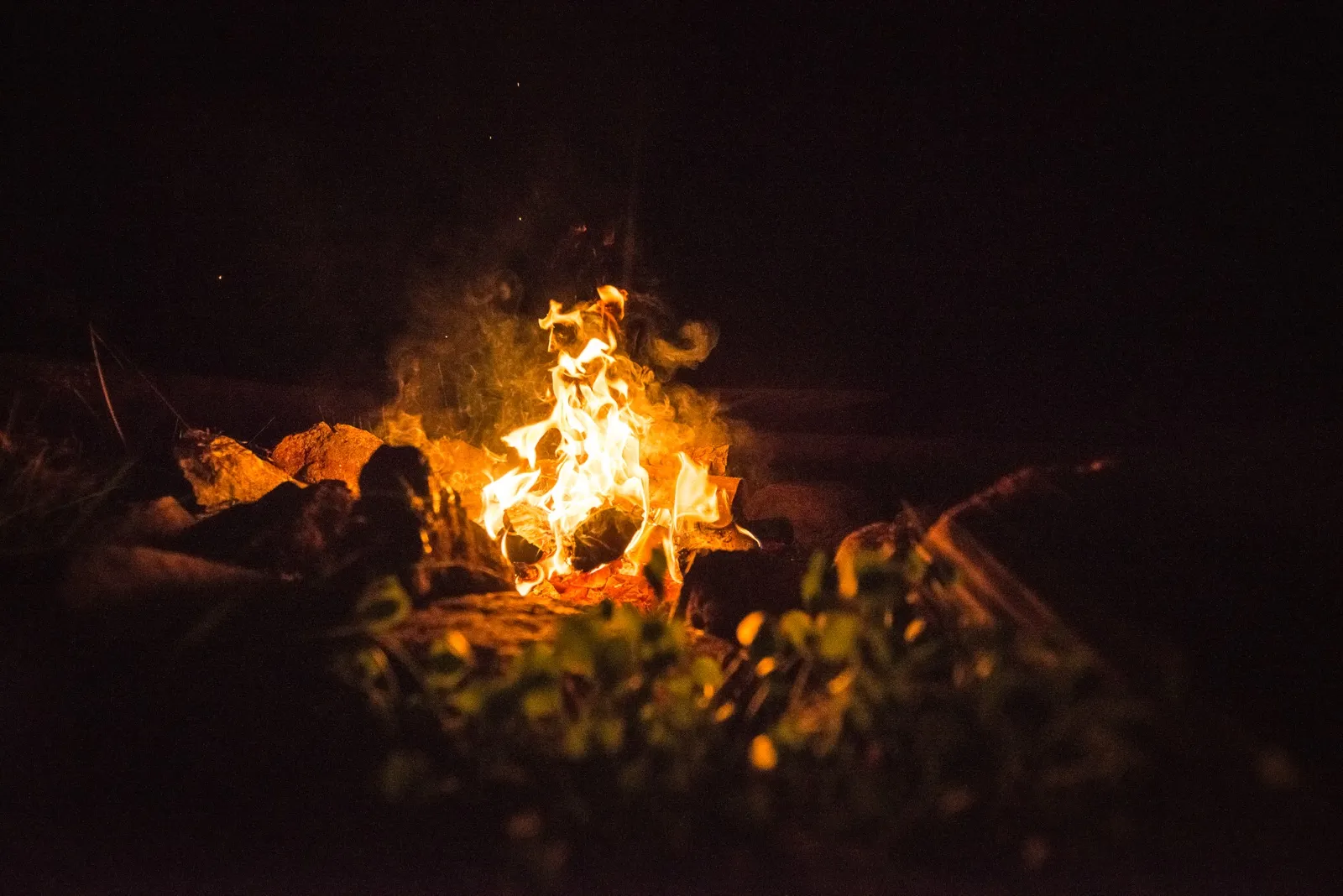
You’ll also be catered by a five-star chef who is also a nutritionist — delicious meals, insight into healthy food choices, and new and modern cooking methods, all built around the whole-foods philosophy.
What you take home
Everything measured on you goes home with you. The test results, the wearable data from the three days, the screening scores, and what all of it means read together rather than as a pile of numbers — not a folder handed over at the door, but the whole picture, read through with you.
You also leave with:
- A rizunresilience.ca shirt or hoodie, your choice of the two.
- A recipe book, built around the food served during the retreat.
- A book about the Triple Crown — the Appalachian Trail, the Pacific Crest Trail, and the Continental Divide Trail, fastpacked or hiked end to end by the same person.
Why immersion works

The format is the intervention. Immersion removes the daily friction — the phone, the schedule, the isolation — and replaces it with structure, community, and altitude. A 2025 meta-analysis in Nature Mental Health found nature-based retreats produced larger and more durable reductions in depression and anxiety than single-session interventions, with effects lasting months after participants returned home (Nature Mental Health, 2025). A 2026 review in Frontiers in Public Health ranked immersive green exercise programs above all other mental health interventions for sustained change (Frontiers in Public Health, 2026).
The retreats are designed to strengthen the parasympathetic nervous system — the rest-and-digest side that most people run on empty. Slow breathing and sleep in the mountains do the work that no app can.
Booking and cancelling
A place is held with a fifty percent deposit. The balance is due sixty days before arrival.
Cancelling needs six months’ notice. A retreat is eight people, a chef, two trail leaders and a booked venue, and all of that is committed long before anyone arrives. Inside six months the deposit is not refunded.
Available in-person only — by design. The retreat is the thing you can’t get online.